
Gemini Certification: Google's Educator Badge vs Dev Skills
Google's Gemini certifications target teachers and Workspace users, not code. What each badge covers, and where developers should look instead.
September 18, 2026 · 5 min read
Sort of — Google has a real, proctored, public certification called Google Cloud Certified: Generative AI Leader, and Gemini is part of what it covers. But there's no exam that certifies Gemini specifically, and nothing at all that certifies whether someone can use Gemini well on a real coding or multimodal task. What exists is either too broad (a business-strategy exam about generative AI generally) or too narrow and unproctored (a free K-12 educator badge).
Which "Gemini certification" do you mean? · Checked 9 October 2026
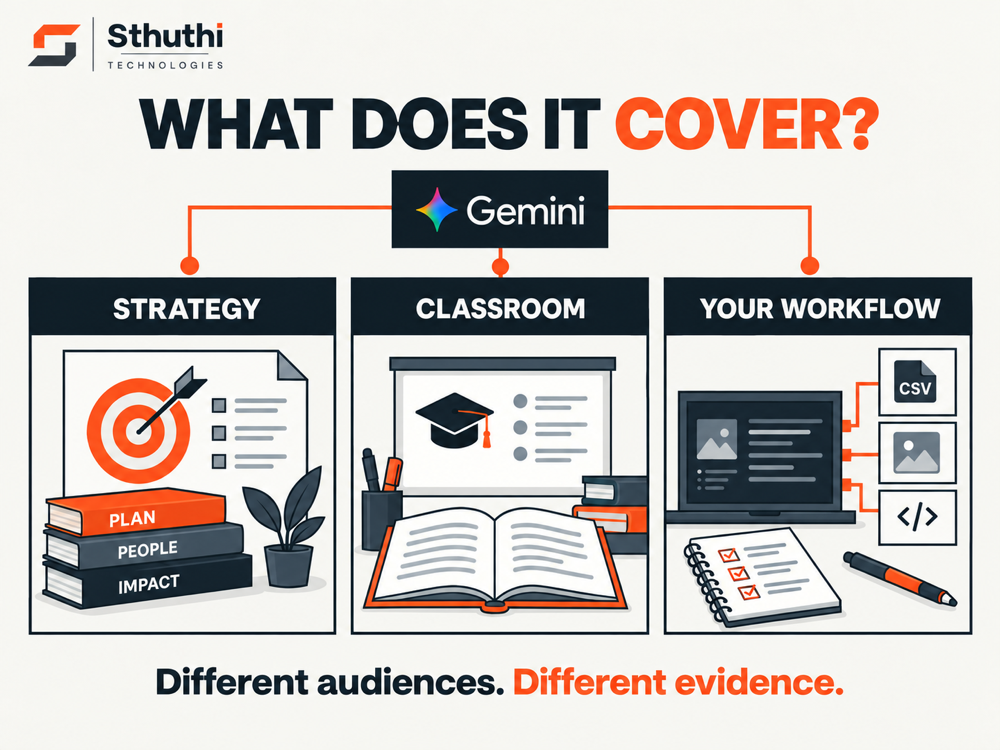
- For teachers: Gemini Certified Educator, a free, unproctored badge for classroom use.
- For business and Workspace users: Google Cloud's Generative AI Leader exam ($99, proctored, 90 minutes) and Workspace with Gemini training. These cover generative AI broadly, not Gemini as a coding tool.
- For developers: there's no Gemini-specific exam that tests how you use it on real code or multimodal work.
The one real proctored exam: Generative AI Leader (GAIL)
Google Cloud's Generative AI Leader certification is a genuine, proctored, publicly available exam — no partner network, no reseller status, no organizational sign-off required. Anyone can register. It's delivered through Pearson VUE, either online with remote proctoring (OnVUE) or at a test center, runs 90 minutes, and costs $99. The exam guide and study materials are published directly by Google.
Here's the catch: GAIL is 50-60 multiple-choice questions split across four domains — gen AI fundamentals, Google Cloud's gen AI product lineup, techniques for improving model output, and business strategy for adopting gen AI. Gemini shows up as one product among Google's broader generative AI stack (alongside Vertex AI, model tuning, and Google Cloud's AI infrastructure), not as the subject of the exam. There is no coding, no hands-on tool use, and no multiple-choice question that could tell you whether someone drafts a usable doc or catches a bad code suggestion. It's built for "managers, strategists and leaders" evaluating whether to adopt gen AI at all — a decision-maker's exam, not a user's.
The free option: training paths and badges, not exams
Google also publishes free, self-paced material specifically about using Gemini day to day — "Google Workspace with Gemini" on Google Skills walks through Gemini inside Gmail, Docs, Sheets, and Slides and awards a completion badge. It's a genuinely useful primer. It is also, by design, not an assessment: there's no proctor, no scored exam, and no verification that the person clicking through the modules could actually apply any of it — the same gap we found looking at Anthropic's free Skilljar courses for Claude Code. A completion badge and a credential are different things, and Google is careful enough not to call this one a certification.
The other Gemini exam that exists — and who it's actually for
There is one exam that puts "Gemini" directly in its name and is open to the public: Gemini Certified Educator, announced through Google for Education. It's free, anyone with a Google account can register, and it's 37 multiple-choice and scenario questions on Gemini and NotebookLM. But look at the delivery: it's unsupervised and untimed, completed online within a 14-day registration window with no proctor watching — closer to an open-book quiz than an assessment. And it's scoped entirely to K-12 and higher-ed classroom use — lesson planning, student support, Google Workspace for Education. It tells a school district nothing about whether a software engineer or an analyst can use Gemini well on production code or a client deliverable, and it wasn't built to.
We also looked for a Gemini Code Assist–specific certification, since that's the product actually aimed at engineering teams. Google doesn't offer one directly. What you'll find instead are third-party training vendors — SpringPeople's "Gemini Code Assist Essentials" is one example — selling their own training-plus-completion-certificate package as an "authorized course." That's a vendor's certificate, not a Google-administered exam, and it's worth checking who actually issues a credential before a company puts it in a compliance binder.
The pattern, a third time
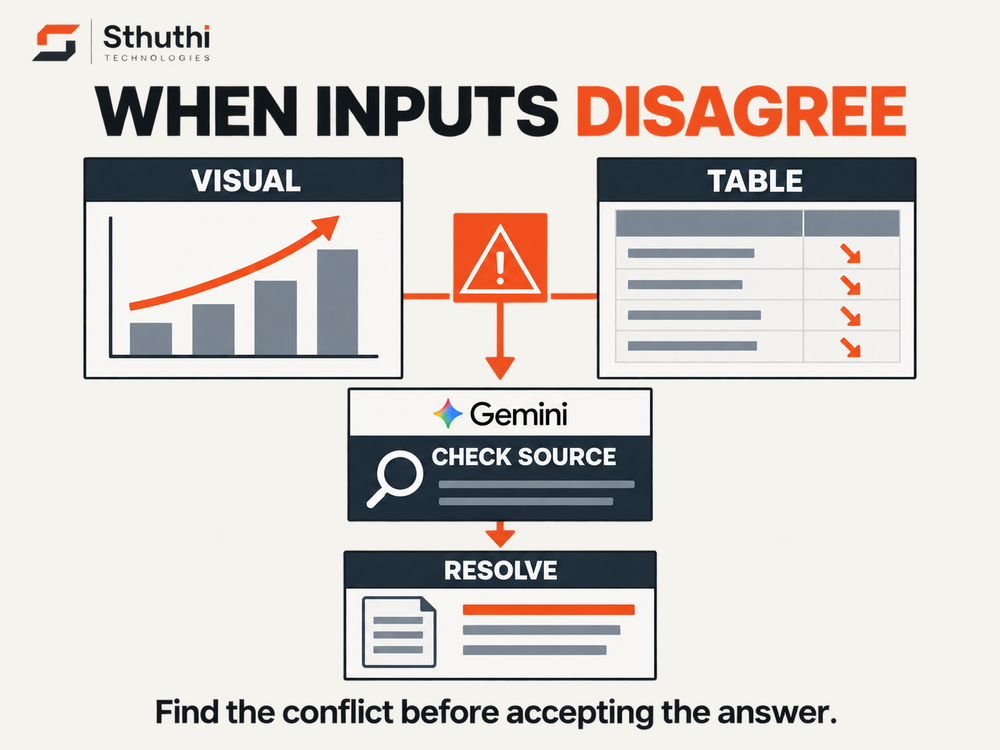
This is the same split we've now found in every major AI coding and productivity tool. Anthropic's Claude certification is narrow and relevant but gated to Claude Partner Network members. GitHub's Copilot certification (GH-300) is open to the public but tests knowledge of the tool, not judgment on real code. Google's version is open to the public too, but splits the difference in a different way: the one exam broad enough to matter (GAIL) barely touches Gemini as a working tool, and the one exam actually named after Gemini is built for classrooms, not companies. None of the three tells you whether the specific person in front of you can take a screenshot, a spreadsheet, and a half-written function and turn them into something correct.
What Gemini-specific proficiency actually requires testing
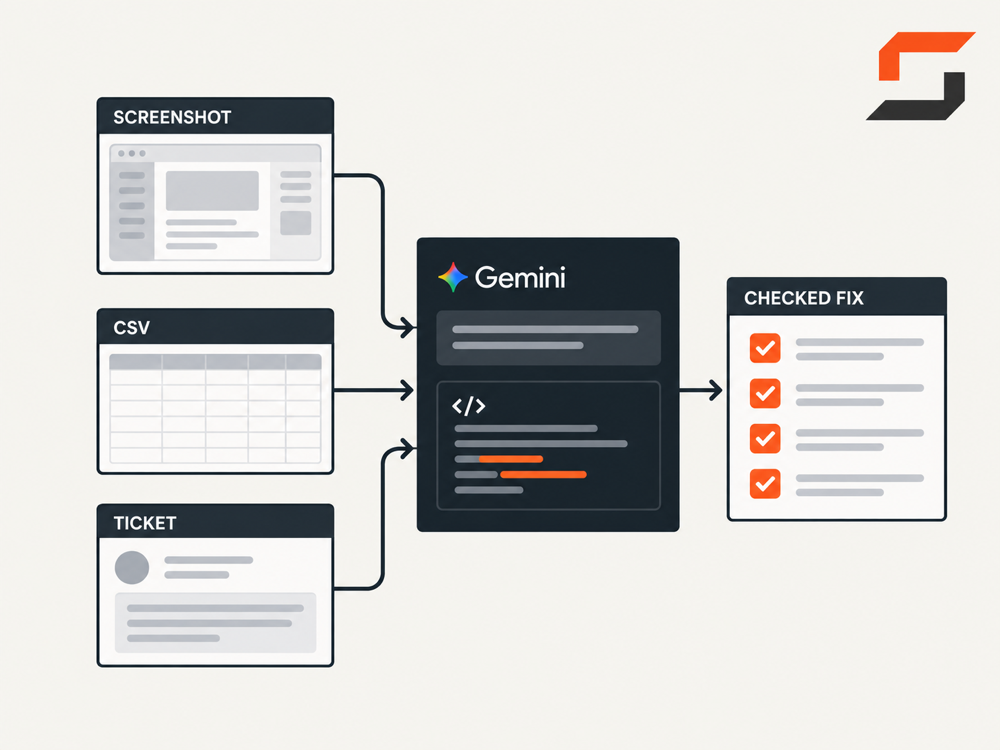
Gemini's real differentiator isn't chat quality — it's range. The same assistant is expected to read a screenshot, reconcile it against a spreadsheet, and write the code that closes the gap, in one task. None of the certifications above test that combination, because none of them are built around a specific company's mixed inputs. That's the model behind our own Gemini certification track: it covers Gemini's multimodal range — reading a screenshot, a spreadsheet, and a codebase in the same task — which is exactly where most teams under-use it. The assessment is a mixed-input task: turn a screenshot, a CSV, and a ticket into a working fix and a short writeup, reviewed against how your team actually works, not a fixed answer key.
If Gemini isn't the tool you're evaluating, see the full list of published tracks — Claude Code, Codex, GitHub Copilot, and Cursor are covered the same way — or talk to a program lead about a custom track scoped to your team's actual workflows.
Further reading: Google's own Generative AI Leader study guide and the official FAQ for Gemini Certified Educator, if you're evaluating either program directly.
Frequently asked questions
Is there an official Gemini certification?
Not one that certifies Gemini as a working tool. Google Cloud's Generative AI Leader exam is proctored and public and covers generative AI broadly, and Gemini Certified Educator is a free, unproctored badge for teachers.
Is there a Gemini certification for developers?
No. As of October 2026 there's no Google exam that tests how a developer uses Gemini on real code or multimodal tasks.
How much does the Google Generative AI Leader exam cost?
$99. It's a 90-minute proctored exam delivered through Pearson VUE, online or at a test centre, and open to anyone.
Want your team's AI-tool usage actually checked?
See the published certification tracks, or tell us about the tool you're worried about.