
Vibe Coding Risks: The Hidden Tax on Your Engineering Team
Vibe coding ships fast and breaks quietly. The maintenance, security and review costs teams pay later, and how to keep the speed without the tax.
September 18, 2026 · 7 min read
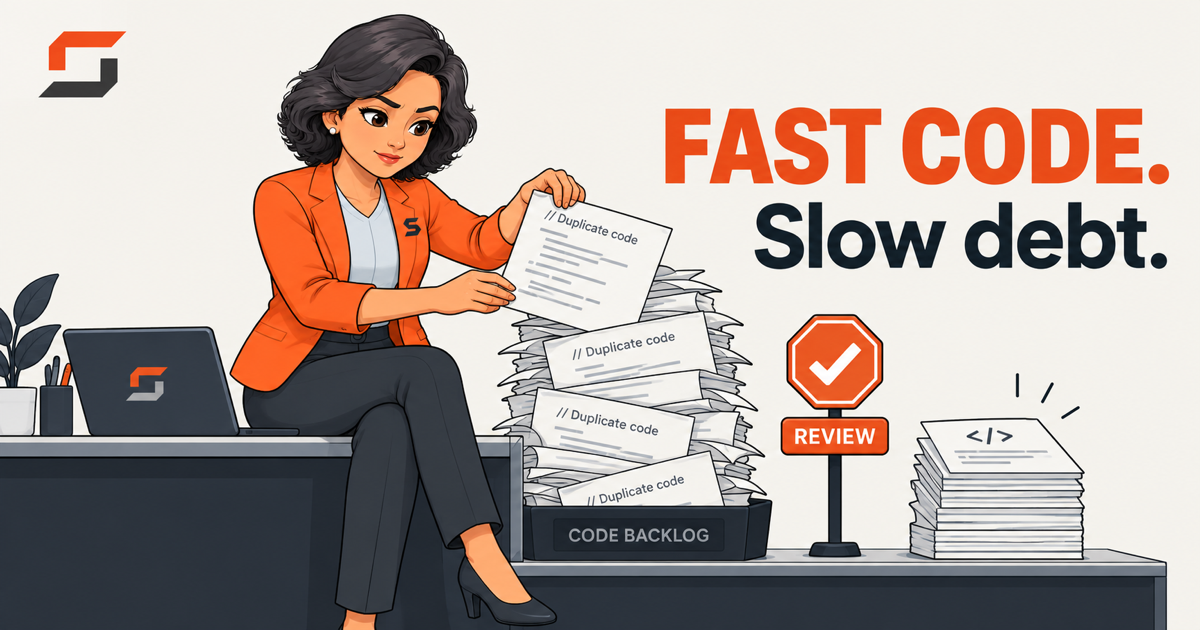
Most companies measure their AI coding rollout by adoption: how many engineers have Claude Code or Copilot turned on, how many prompts get sent a week, how the number trends month over month. None of that tells you whether the code coming out the other end is any good — and the industry data on what's actually happening once "the team is using AI now" becomes true is not encouraging.
The debt is real, and it's landing fast
Across teams that adopted AI coding tools, technical debt has risen somewhere between 30 and 41 percent, code duplication is up roughly 48 percent, and time spent on refactoring has dropped about 60 percent — the tools make it faster to add code and slower, relatively speaking, to clean it up. Analysts have started calling 2026 the year technical debt caught up with AI adoption, specifically because of this pattern.
Code duplication up ~48%. Refactoring activity down ~60%.Industry AI-adoption research, 2026
It's not just messier — it's less secure
Security research has found that close to half of AI-generated code samples introduce at least one OWASP Top 10 vulnerability, with the overwhelming majority failing basic defenses against cross-site scripting and log injection specifically. Separately, secret-scanning research found AI-assisted commits leaking hardcoded credentials at roughly double the rate of commits without AI involvement. Neither of these is a tooling failure — Claude Code, Copilot, Codex, and Gemini can all produce clean, defensible code. They're a review-habit failure: nobody was checking closely enough, at the speed the code was arriving.
The tell isn't the tool. It's the review habit.
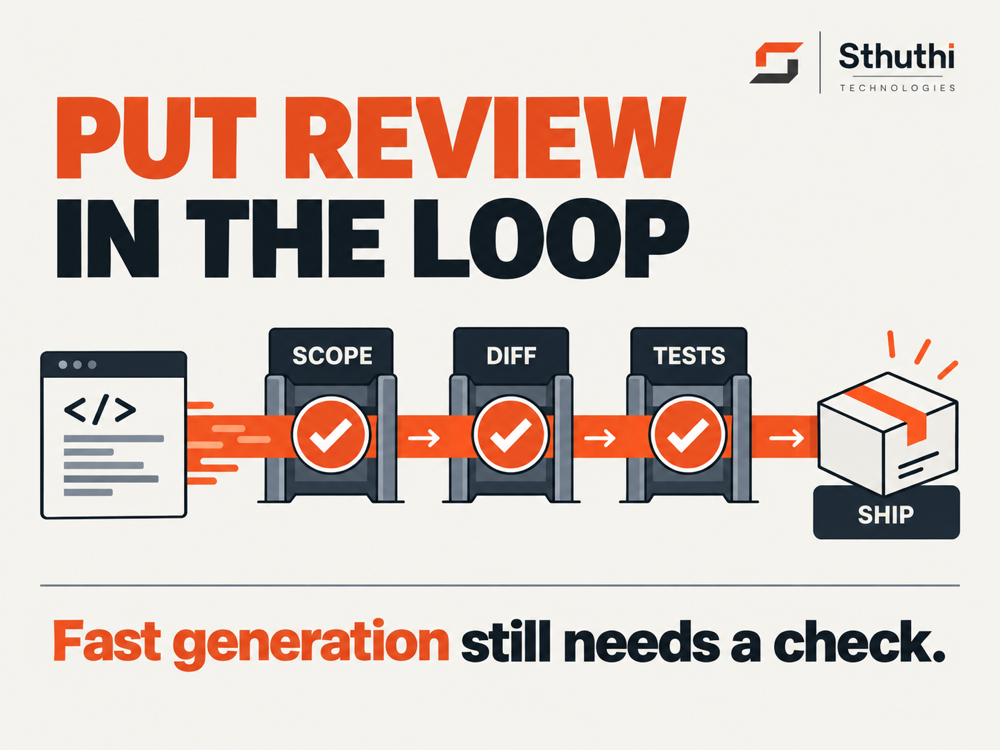
Engineers who get real value out of AI coding tools tend to share a few habits: they know which tasks are a good fit for the tool (boilerplate, exploration, a scoped refactor) and which aren't (nuanced domain logic, anything security-sensitive), they write specific prompts instead of vague ones, and — critically — they still read and understand what came back before it ships. The failure mode with a name for it now, "vibe coding," is what happens when that last habit disappears: prompts go in, code goes out, and nobody who touched it could explain why it's structured the way it is.
That's a hard thing to see from an adoption dashboard. Login counts and prompt volume tell you the tool is switched on. They don't tell you whether the person using it would catch the difference between a safe refactor and one that quietly reintroduces a vulnerability they'd already fixed once.
What a usage number can't tell you
- Whether someone can tell a good AI suggestion from a plausible-looking bad one
- Whether they'd catch a scope-creeping diff before it merges
- Whether they know when to take the keyboard back from the agent entirely
- Whether "reviewed" meant read carefully, or clicked approve
Separate workforce research backs this up from the other direction: only a small fraction of enterprise employees — by one estimate, as low as 13 percent — have the skills to actually work with AI agents well, and most people are bad at self-rating their own AI competency in either direction. Asking a team "are you comfortable with Claude Code?" produces answers with almost no relationship to whether they are.
The vibe coding tax, itemised
| Cost | Symptom | Fix |
|---|---|---|
| Maintenance debt | Code nobody on the team can explain, slower changes later | Require the author to explain every change before merge |
| Security risk | Injection flaws, leaked secrets, unvetted dependencies | A review checklist that targets the usual AI failure modes |
| Review load | Bigger diffs landing faster than reviewers can read them | Smaller scoped tasks and one review standard for all agent work |
| False confidence | Usage dashboards look great while quality slips | Measure delivery and quality against a baseline, not usage |
To see whether the tax is shrinking, track it: our guide to measuring AI coding productivity shows which numbers to watch.
The alternative to a policy memo
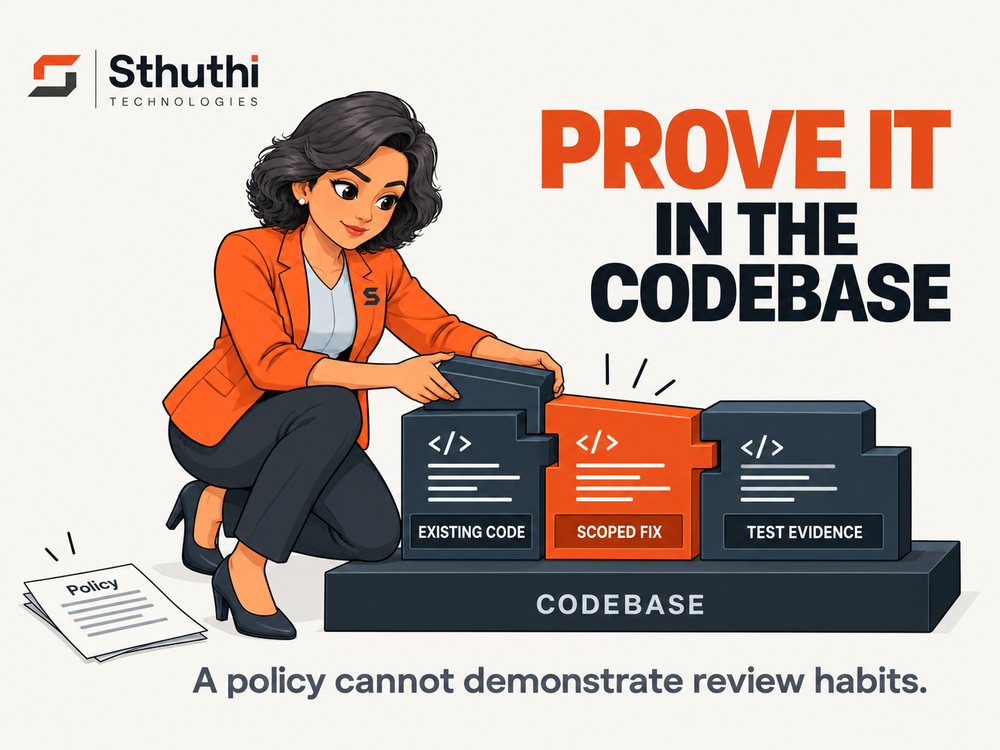
None of this gets fixed by writing an AI usage policy and asking people to read it, and it doesn't get fixed by a course that ends in a certificate for finishing the video. It gets fixed by actually testing the thing you're worried about — putting someone in front of the real tool, on a real task, and watching whether their review habits hold up. That's the entire premise behind how we run certification at Sthuthi: a credential that means someone was actually checked, not just logged in.
If your team already uses Claude Code, see the Claude Code certification programme, or read whether companies should certify their Claude Code teams before you fund a pilot.
Want a concrete starting point? Use our Claude Code review checklist in your pull request template.
Want your team's AI-tool usage actually checked?
See the published certification tracks, or tell us about the tool you're worried about.